Warehouse & Fulfillment ERP Software for Connected Warehouse Operations
Manage warehouse and fulfillment operations with an integrated ERP solution for inventory, receiving, picking, packing, orders, shipping, and financial management. Powered by Microsoft Dynamics 365 Business Central, MikroOne helps businesses connect warehouse operations, improve inventory visibility, and support scalable growth. Warehouse & Fulfillment ERP can work alongside Warehouse Management System (WMS) capabilities to connect inventory, warehouse activities, fulfillment, shipping, and financial operations.
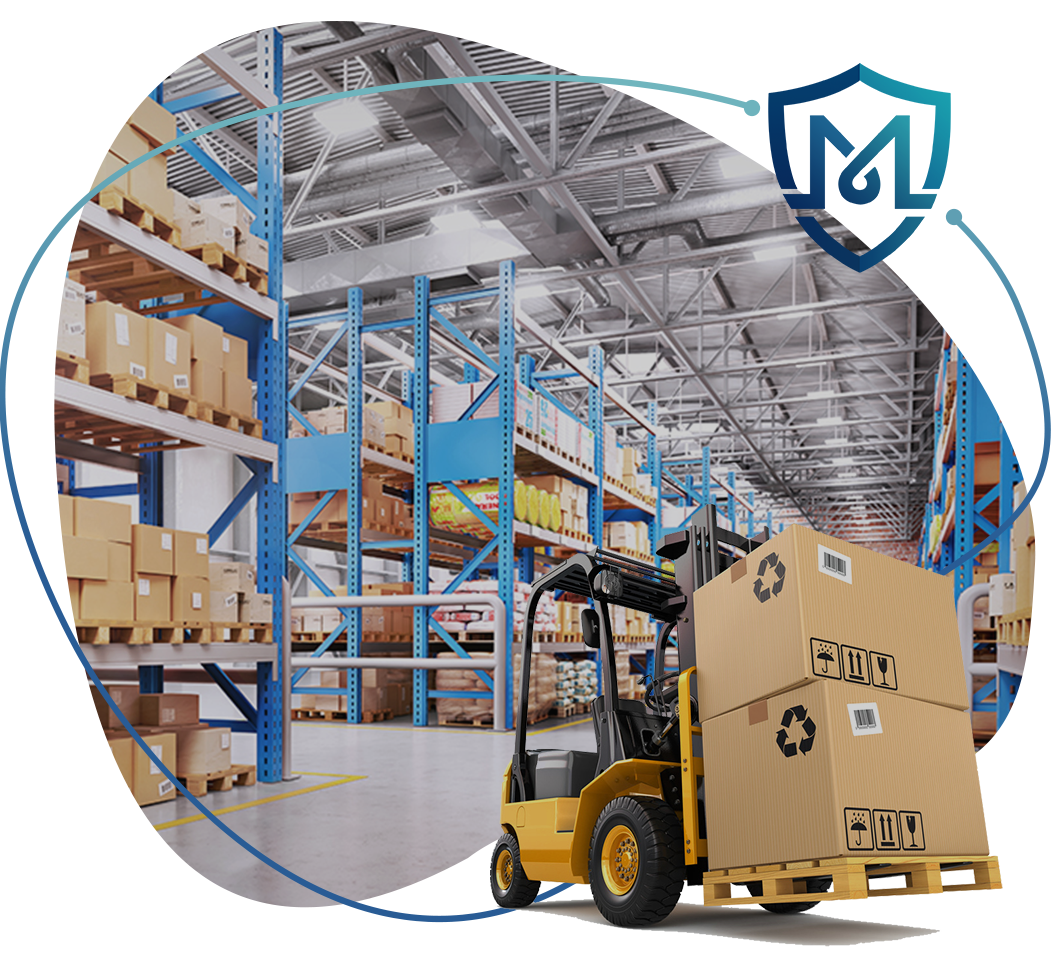

Why Warehouse & Fulfillment Businesses Need ERP
Warehouse and fulfillment operations coordinate inventory, receiving, storage, picking, packing, orders, shipping, and customer requirements across daily activities. An integrated ERP solution helps connect these processes and improve visibility across warehouse operations.
Inventory Management
Maintain accurate inventory information across warehouses, locations, items, quantities, and stock movements.
Receiving & Putaway
Manage inbound goods, receiving activities, warehouse locations, putaway processes, and inventory updates.
Picking & Packing
Coordinate picking lists, warehouse tasks, packing activities, order preparation, and fulfillment processes.
Order Fulfillment
Connect sales orders, inventory availability, warehouse activities, fulfillment status, and customer requirements.
Shipping & Dispatch
Manage outbound shipments, delivery schedules, carriers, dispatch activities, and shipment documentation.
Warehouse Cost Management
Monitor storage, handling, labor, transportation, and other warehouse-related operating costs.

Key Features of Warehouse & Fulfillment ERP
- Inventory Management
Manage inventory quantities, item information, locations, stock movements, transfers, adjustments, and warehouse availability. - Picking Management
Manage picking lists, warehouse tasks, item availability, order priorities, and picking activities. - Shipping & Dispatch Management
Manage outbound shipments, delivery schedules, carriers, dispatch activities, shipment documentation, and delivery information.
- Warehouse Receiving
Manage inbound shipments, receiving activities, purchase orders, quantities, warehouse locations, and inventory updates. - Packing Management
Coordinate packing activities, packages, quantities, orders, shipping information, and fulfillment requirements. - Warehouse Transfer Management
Manage inventory transfers between warehouses, locations, bins, and distribution points.
- Putaway Management
Organize received goods into appropriate warehouse locations and connect putaway activities with inventory records. - Order Fulfillment
Connect sales orders, inventory, picking, packing, shipping, fulfillment status, and customer requirements. - Warehouse Cost Management
Track storage, handling, labor, transportation, fulfillment, and other warehouse-related operating costs.
Warehouse & Fulfillment ERP Solutions
Warehouse and fulfillment businesses manage different inventory types, warehouse structures, order volumes, and service requirements. MikroOne provides integrated ERP solutions designed to connect warehouse operations with core business processes.
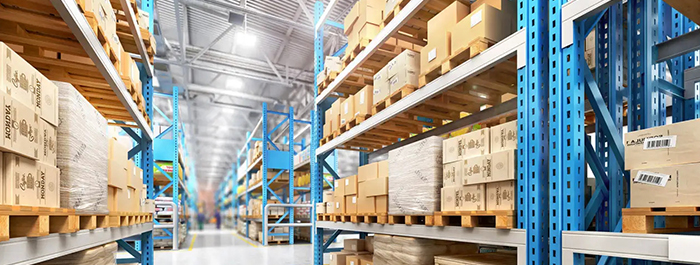
Warehouse Management ERP
Manage inventory, receiving, putaway, picking, packing, transfers, shipping, and warehouse operations.

Order Fulfillment ERP
Connect sales orders, inventory, picking, packing, shipping, customers, and fulfillment activities.

Distribution Warehouse ERP
Connect warehouses with purchasing, inventory, sales orders, transportation, deliveries, and distribution operations.
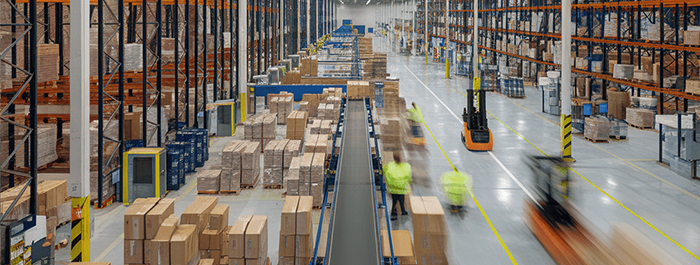
Multi-Warehouse ERP
Manage inventory, locations, transfers, stock movements, and operational visibility across multiple warehouses.
Business Benefits
Improve Inventory Accuracy
Increase Warehouse Visibility
Optimize Picking & Packing
Accelerate Order Fulfillment
Improve Warehouse Productivity
Reduce Manual Processes
Control Warehouse Costs
Improve Customer Service
Digital Transformation for Warehouse & Fulfillment Businesses
Build a more connected, data-driven, and scalable warehouse operation with Microsoft technologies.
Read More
| Connected Warehouse Operations Inventory Management Receiving & Putaway Picking & Packing | Order Fulfillment Shipping & Dispatch Warehouse Cost Management Business Intelligence & AI |
Microsoft Technologies for Warehouse & Fulfillment Businesses

Dynamics 365 Business Central
Manage finance, purchasing, sales, inventory, customers, and other business processes through one integrated ERP platform.

Microsoft Power Platform
Automate workflows and build custom applications for warehouse receiving, picking, packing, inventory, fulfillment, and operational requirements.

Power BI
Transform warehouse, inventory, order, fulfillment, shipping, cost, and operational data into interactive dashboards and actionable insights.

Microsoft Fabric
Connect and analyze data across ERP, warehouse systems, fulfillment applications, inventory platforms, and other business sources.

Microsoft Copilot
Use AI-powered capabilities to improve productivity, access business information, and support everyday warehouse and fulfillment activities.

Microsoft Azure
Support cloud applications, integrations, data platforms, APIs, and scalable digital operations for warehouse and fulfillment businesses.
Dashboard Section
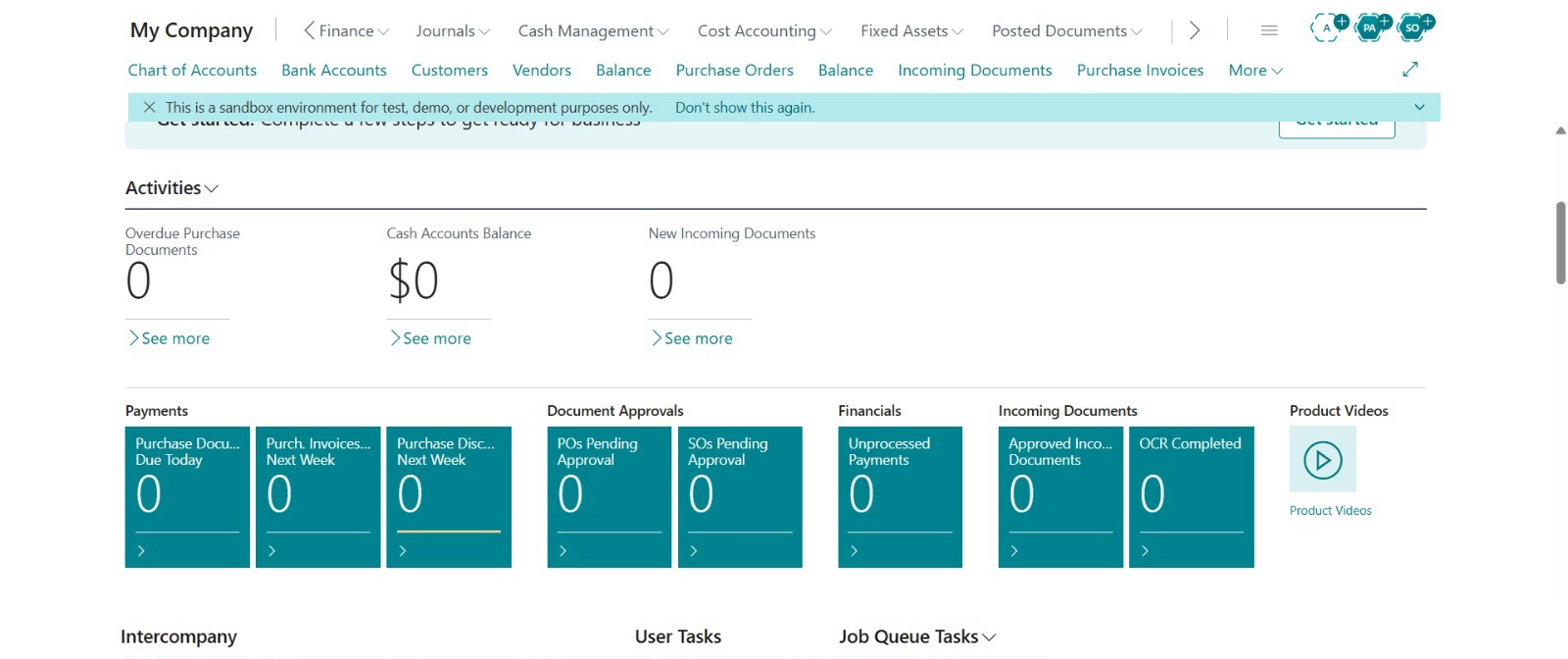
Dashboard Finance
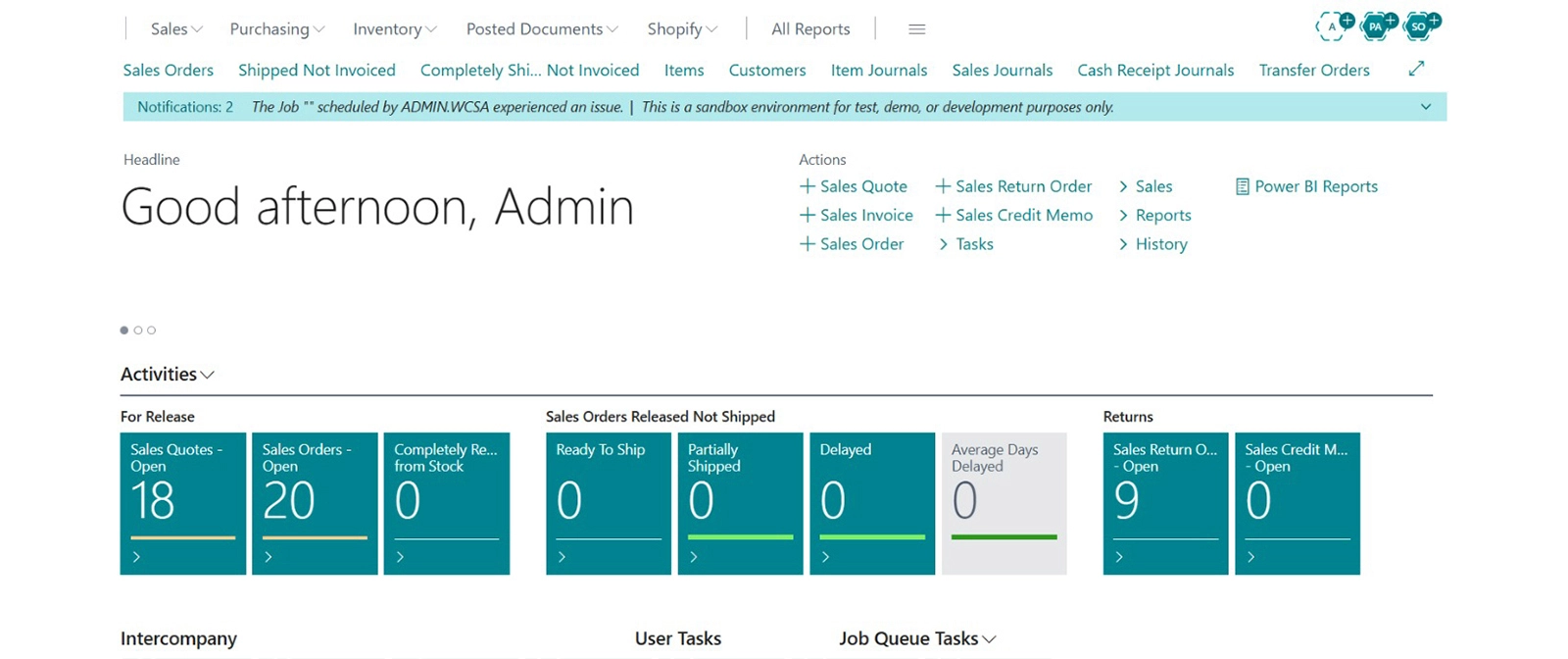
Dashboard Sales
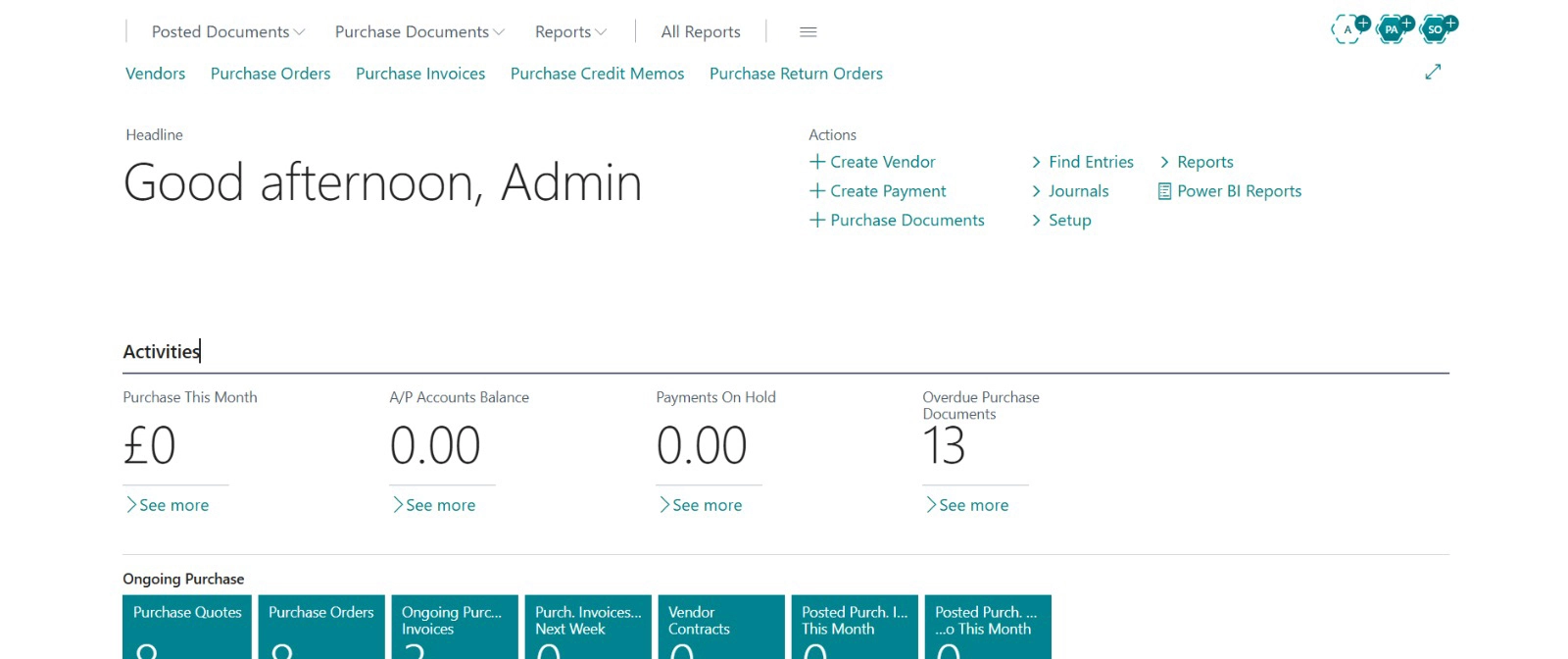
Dashboard Purchasing
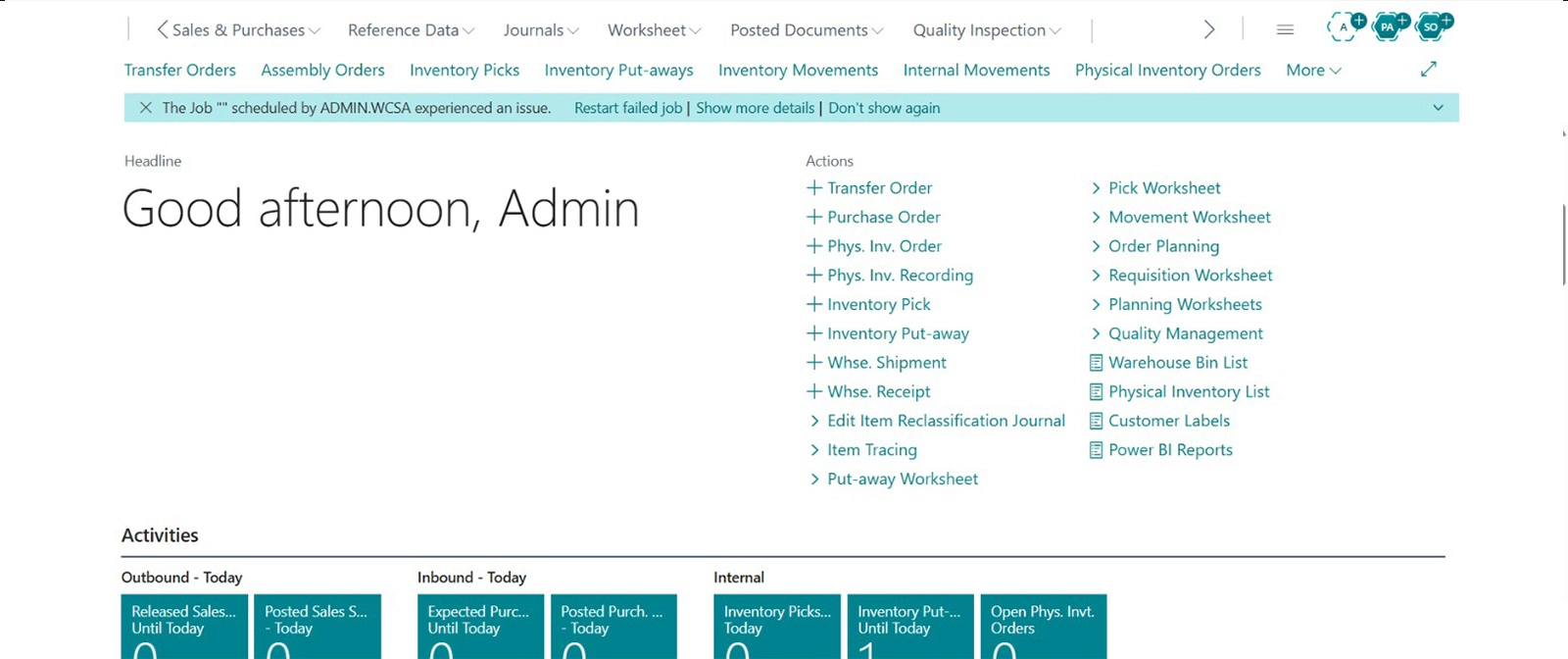
Dashboard Inventory

Our Experience in Logistics
MikroOne supports logistics businesses through ERP, business application development, integration, data, and Microsoft technologies. Our logistics experience includes supporting Kramat Djati Paket with digital and business application solutions for real-world operational requirements.
Why Choose MikroOne for Warehouse & Fulfillment ERP?
Warehouse-Focused Approach
Solutions designed around inventory, receiving, putaway, picking, packing, fulfillment, shipping, warehouse locations, and operational costs.
Microsoft Technology
Built on Microsoft Dynamics 365 Business Central and the Microsoft cloud ecosystem.
Integrated Business Processes
Connect warehouse operations with purchasing, sales, inventory, finance, customer management, and reporting.
Inventory & Fulfillment Visibility
Improve visibility across inventory, warehouse activities, orders, fulfillment, shipping, and operational performance.
Flexible Integration
Connect ERP with WMS, barcode systems, scanners, e-commerce platforms, marketplace systems, transportation platforms, APIs, and other business applications.
Implementation & Support
Receive support from business process analysis and implementation through training, optimization, and ongoing support.
Complete Your Warehouse & Fulfillment Business Solution
Warehouse & Fulfillment ERP can be combined with other MikroOne solutions to create a connected logistics and distribution business environment.
Enterprise Resource Planning
Connect core financial and operational processes through Microsoft Dynamics 365 Business Central.
Business App Development
Build custom applications for warehouse receiving, inventory, picking, packing, fulfillment, and operational requirements.
Data & Analytics
Turn warehouse and fulfillment data into dashboards, reports, and actionable business insights.
Integration
Connect ERP with WMS, barcode systems, e-commerce, marketplaces, transportation, customer, payment, API, and other business systems.


Ready to Transform Your Warehouse & Fulfillment Operations?
Improve inventory visibility, warehouse productivity, order fulfillment, picking and packing, shipping, warehouse costs, and financial management with an integrated Warehouse & Fulfillment ERP solution.
Frequently Asked Questions
What is Warehouse & Fulfillment ERP?
Warehouse & Fulfillment ERP is an integrated business management solution designed to help businesses manage inventory, receiving, putaway, picking, packing, orders, fulfillment, shipping, warehouse costs, and financial operations.
What can Warehouse & Fulfillment ERP manage?
Warehouse & Fulfillment ERP can manage inventory, receiving, putaway, picking, packing, sales orders, fulfillment, shipping, warehouse transfers, costs, customers, purchasing, finance, and business reporting.
Can Warehouse ERP manage inventory across multiple warehouses?
Yes. Warehouse ERP can manage inventory, locations, transfers, stock movements, and availability across multiple warehouses and distribution points.
Can Warehouse ERP manage receiving and putaway?
Yes. ERP can connect purchase orders, inbound shipments, receiving activities, warehouse locations, putaway, and inventory updates.
Can Warehouse ERP manage picking and packing?
Yes. Warehouse ERP can manage picking lists, warehouse tasks, order priorities, packing activities, quantities, packages, and fulfillment requirements.
Can Warehouse ERP manage order fulfillment?
Yes. Warehouse ERP can connect sales orders, inventory availability, picking, packing, shipping, fulfillment status, and customer requirements.
Can Warehouse ERP manage shipping and dispatch?
Yes. ERP can manage outbound shipments, delivery schedules, carriers, dispatch activities, shipment documentation, and delivery information.
Can Warehouse ERP integrate with a Warehouse Management System (WMS)?
Yes. MikroOne can integrate ERP with WMS platforms, barcode systems, scanners, warehouse applications, APIs, e-commerce platforms, and other business systems.
What is the difference between Warehouse ERP and WMS?
Warehouse ERP connects warehouse operations with finance, purchasing, sales, inventory, customers, and other business processes, while WMS primarily focuses on warehouse execution and operational activities.
Can Warehouse ERP integrate with e-commerce platforms?
Yes. MikroOne can integrate ERP with e-commerce platforms, marketplaces, order management systems, payment platforms, APIs, and other digital channels.
Can Warehouse ERP manage barcode and scanning processes?
Yes. Warehouse ERP solutions can be extended through integrations and custom applications to support barcode scanning, warehouse transactions, inventory movements, picking, receiving, and fulfillment processes.
Can Warehouse ERP provide warehouse dashboards?
Yes. Microsoft Dynamics 365 Business Central can be combined with Power BI and Microsoft Fabric to provide reporting and analytics across inventory, warehouse, fulfillment, shipping, and financial operations.
Can Warehouse & Fulfillment ERP support third-party logistics?
Yes. Warehouse and fulfillment capabilities can be combined with 3PL processes to support inventory, warehouse activities, fulfillment, customers, and logistics operations.
Why choose Microsoft Dynamics 365 Business Central for warehouse operations?
Business Central provides an integrated platform for finance, purchasing, sales, inventory, and business management that can be extended through Microsoft technologies and integrations.
In Indonesia, Warehouse & Fulfillment ERP solutions are commonly referred to using the following terms:
- Software Warehouse Indonesia
- Software Gudang Indonesia
- Sistem Manajemen Gudang
- Sistem Warehouse Indonesia
- Sistem Manajemen Warehouse
- Software Manajemen Gudang
- ERP Gudang Indonesia
- ERP Warehouse Indonesia
- ERP Logistik Indonesia
- Warehouse Management System Indonesia
- Software Fulfillment Indonesia
- Order Fulfillment Software Indonesia
- Konsultan ERP Warehouse Indonesia
- Microsoft Dynamics 365 Business Central untuk Warehouse
MikroOne menyediakan solusi Warehouse & Fulfillment ERP untuk membantu perusahaan mengintegrasikan inventory, receiving, putaway, picking, packing, orders, fulfillment, shipping, warehouse costs, dan financial operations dalam satu ekosistem bisnis yang terhubung.
Explore Logistics ERP Solutions

Logistics ERP
Back to explore comprehensive ERP system solutions for modern logistics businesses.

Third-Party Logistics (3PL) ERP
Manage warehousing, fulfillment, transportation, customers, and logistics services.

Freight Forwarding ERP
Manage shipments, documentation, customers, vendors, and freight operations.

Transportation ERP
Manage vehicles, routes, deliveries, orders, costs, and transportation operations.
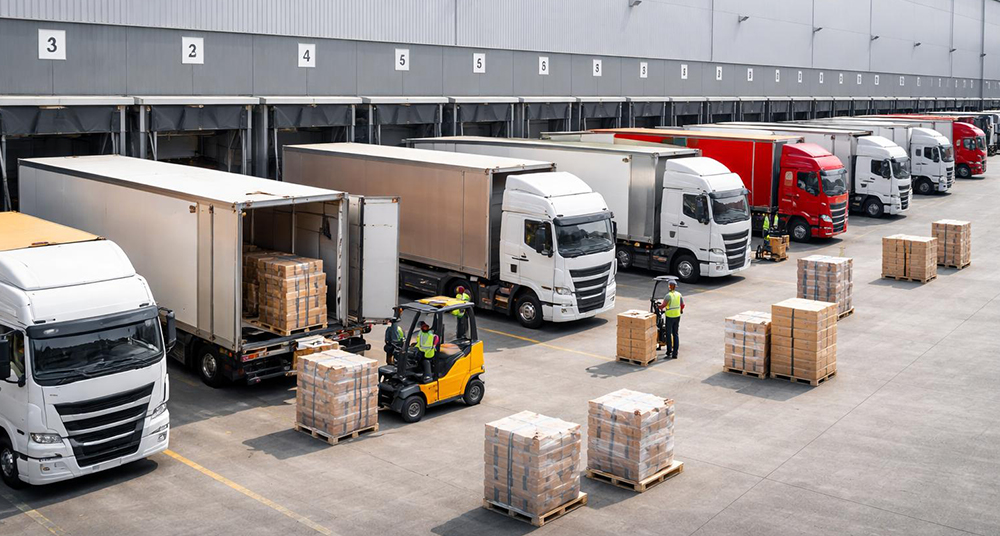
Trucking ERP
Manage fleet operations, trips, deliveries, customers, and transportation costs efficiently and profitably.
Courier & Delivery ERP
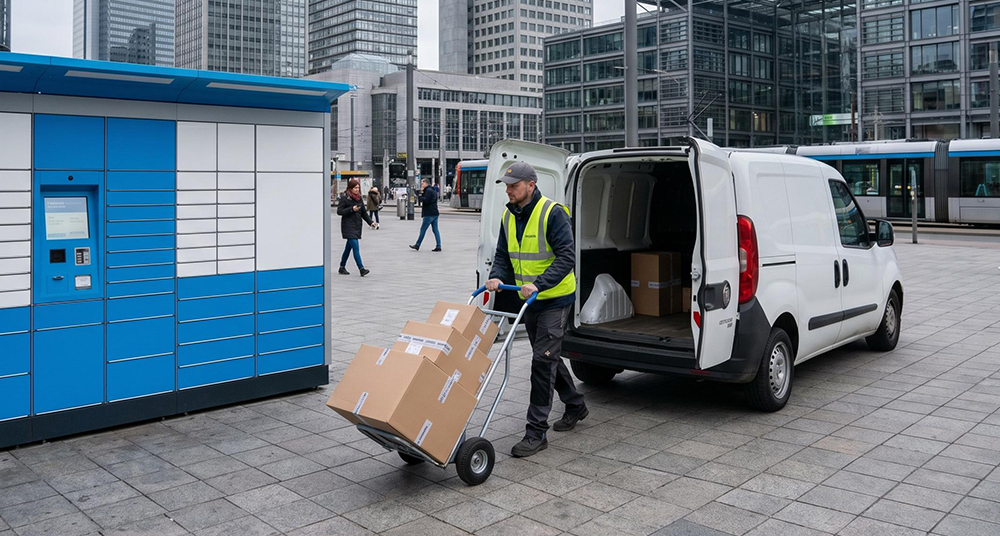
Manage orders, shipments, delivery activities, customers, and operational tracking.

Cold Chain Logistics ERP
Manage temperature-sensitive inventory, warehouses, shipments, and delivery operations.
Logistics Distribution ERP
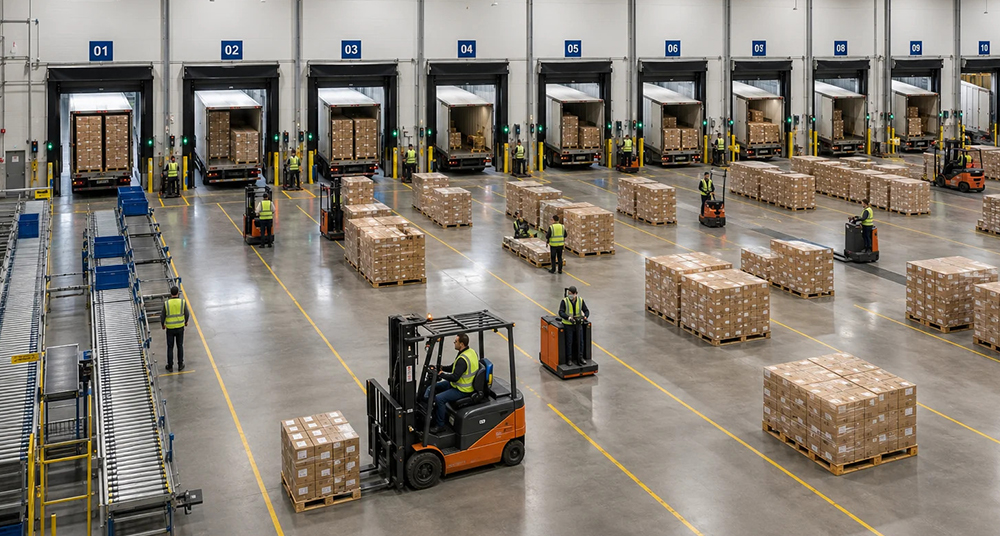
Connect inventory, warehouses, orders, transportation, and distribution operations.