Streamline Your FMCG Food Operations with Integrated ERP
FMCG food businesses operate in a fast-moving environment where demand changes quickly, product volumes are high, and inventory must remain accurate. An integrated ERP platform connects production, procurement, inventory, sales, distribution, and finance to improve efficiency and profitability.
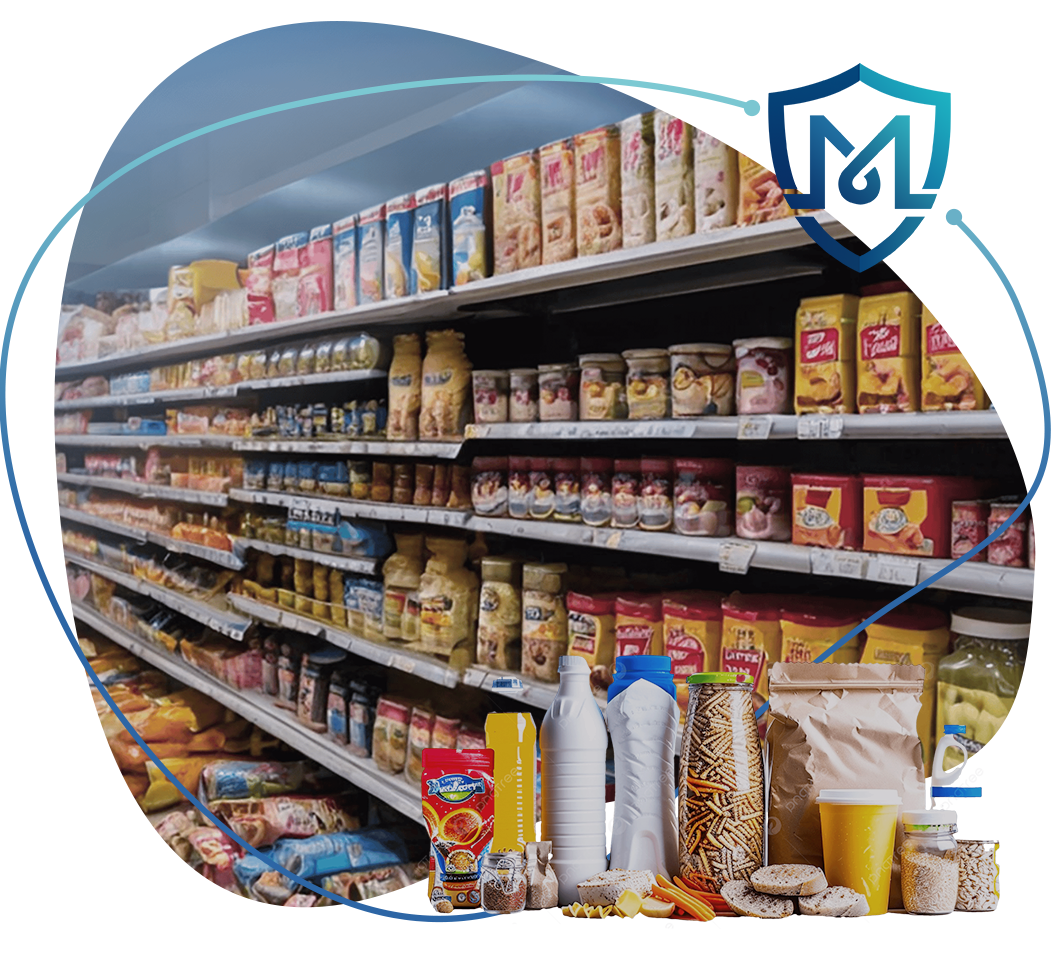
Why FMCG Food Companies Need ERP
Optimize high-volume production, improve inventory turnover, and strengthen distribution with integrated ERP.
Demand Planning
Align production and inventory with changing customer demand.
Inventory Control
Monitor raw materials, packaging, and finished products in real time.
Distribution Management
Coordinate inventory, sales orders, warehouses, and product distribution.
Production Management
Manage high-volume food production efficiently across products and facilities.
Batch Traceability
Track products and materials across production and distribution.
Business Intelligence
Monitor sales, inventory, production, costs, and profitability with real-time insights.

Why Choose Microsoft Dynamics 365 Business Central
Microsoft Dynamics 365 Business Central provides a scalable ERP platform that connects FMCG food production, procurement, inventory, sales, distribution, finance, and business intelligence.

Cloud ERP
Access connected business data securely across your organization.

Microsoft 365 Integration
Connect ERP processes with familiar Microsoft productivity tools.

Power BI
Transform FMCG data into interactive dashboards and actionable insights.

Power Platform
Automate workflows and create custom applications for operational requirements.

Microsoft Copilot
Improve productivity with AI-powered assistance and intelligent insights.

Scalable Platform
Support growing product portfolios, warehouses, facilities, business entities.
Dashboard Section
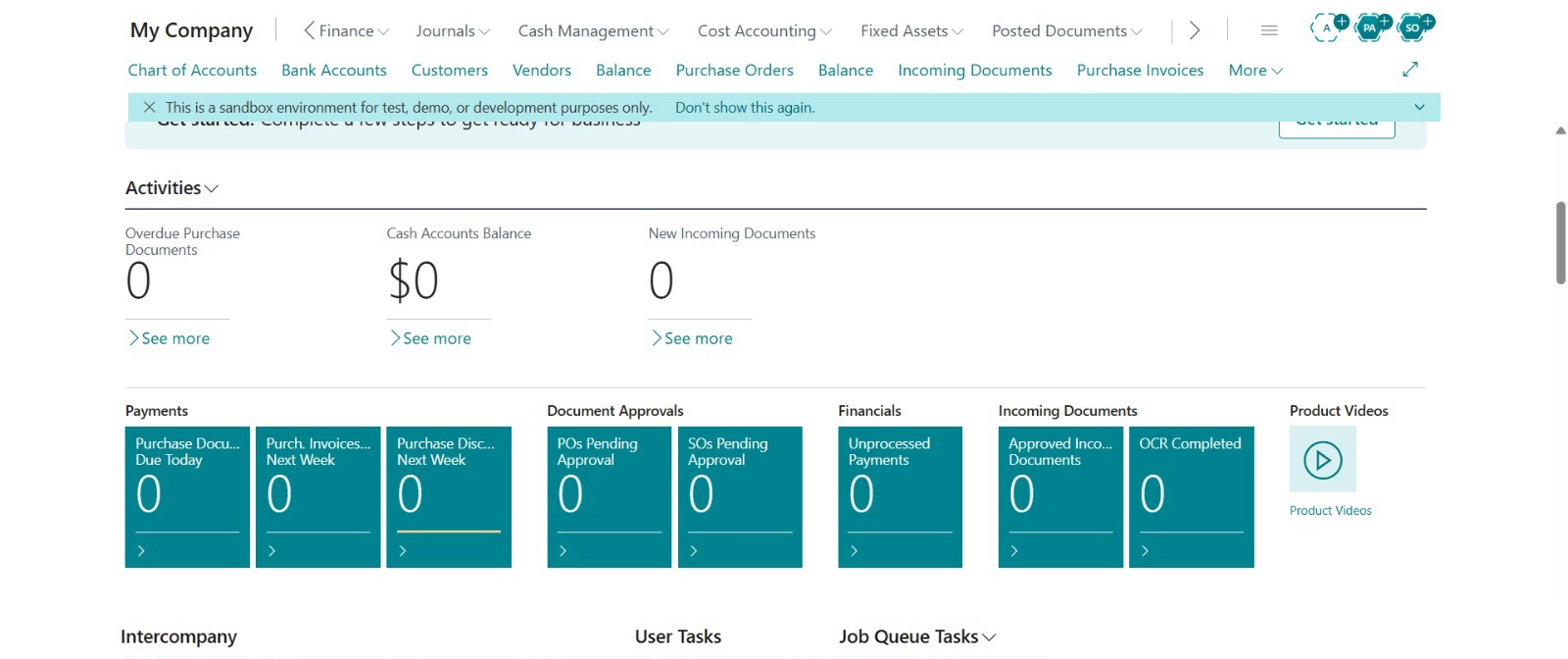
Dashboard Finance
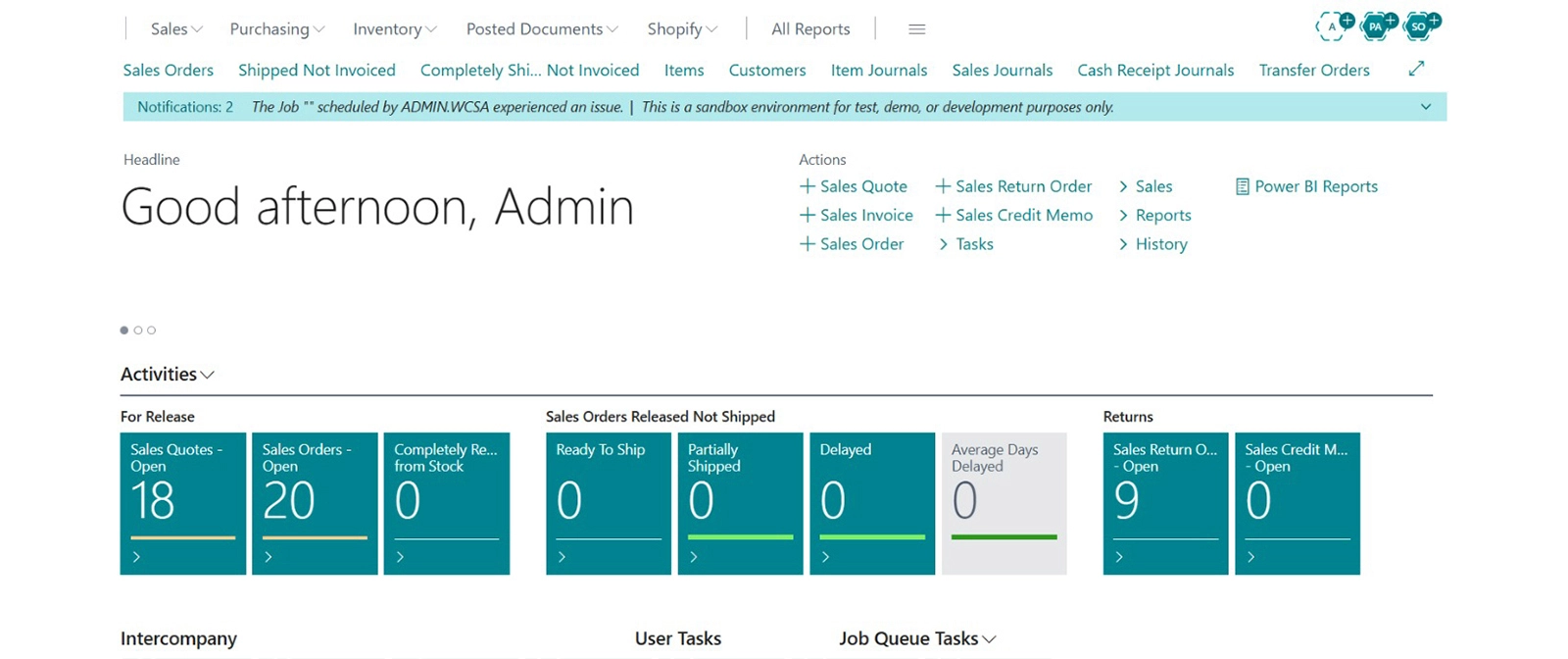
Dashboard Sales
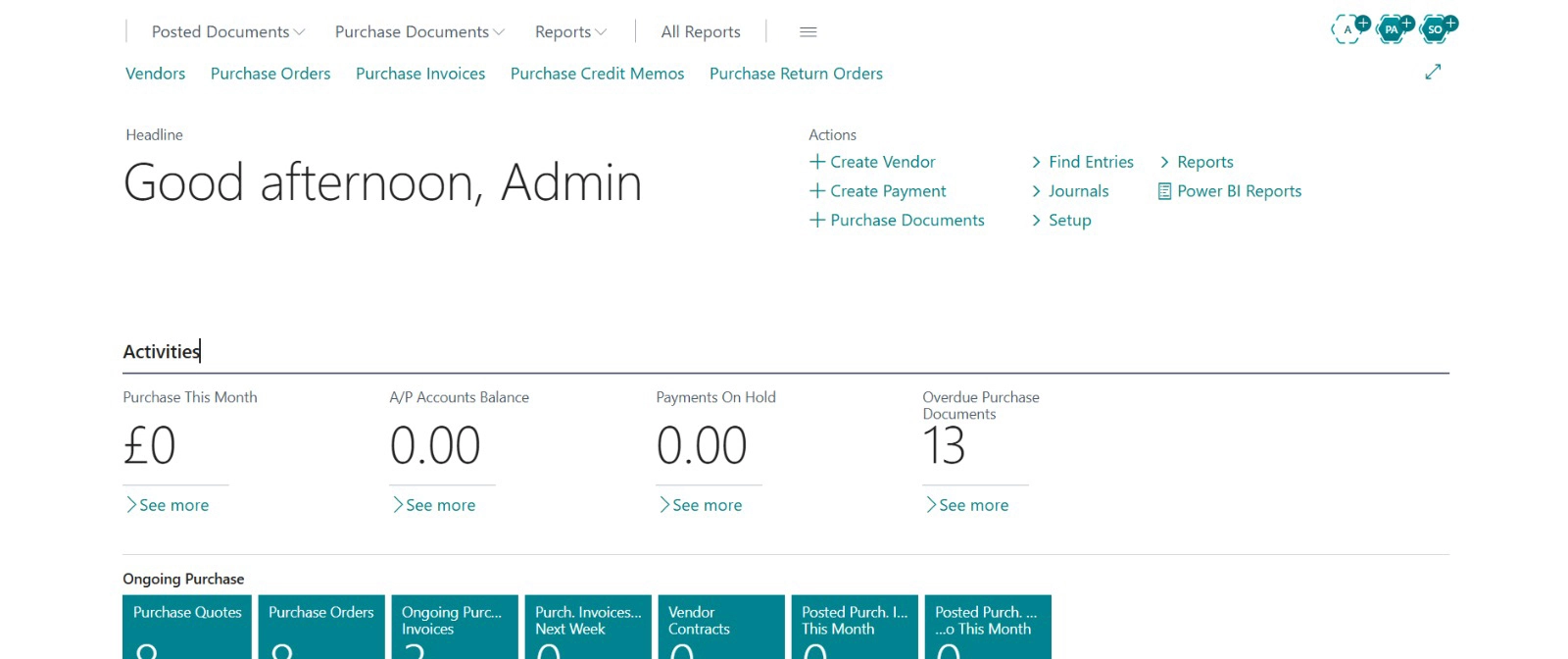
Dashboard Purchasing
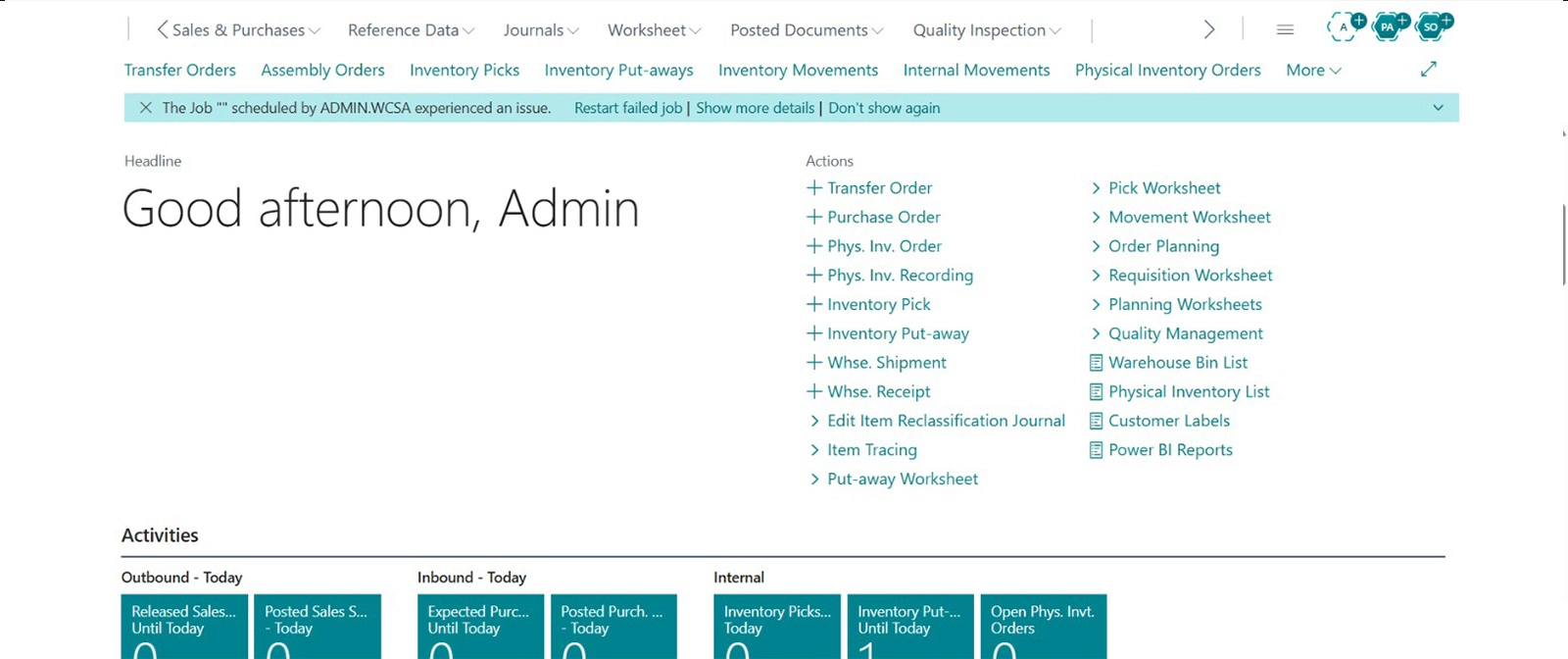
Dashboard Inventory
Key Features of FMCG Food ERP
- Demand Planning
Improve production and inventory planning based on demand patterns and business requirements. - Production Planning
Schedule high-volume production while optimizing capacity, materials, and resources. - Recipe & Formula Management
Standardize product formulas, ingredients, and production specifications.
- Batch & Lot Traceability
Track raw materials and finished products throughout production and distribution. - Inventory Management
Monitor stock levels, movements, availability, and inventory turnover across locations. - Shelf Life Management
Monitor expiration dates and improve product freshness while reducing waste.
- Procurement Management
Manage suppliers, purchasing, raw materials, and packaging requirements efficiently. - Sales & Distribution
Connect sales orders, warehouse operations, inventory availability, and distribution processes. - Financial Management
Connect operational activities with costing, accounting, budgeting, and profitability analysis.
FMCG Food ERP for Different Business Models
Packaged Food Manufacturers
Manage high-volume production, inventory, quality, costing, and distribution.
Snack & Food Producers
Control recipes, production, packaging materials, inventory, and product distribution.
Ready-to-Eat Food Manufacturers
Coordinate production planning, shelf life, inventory, quality, and distribution.
Multi-Product Food Manufacturers
Manage multiple products, formulas, SKUs, facilities, and production processes.
FMCG Food Distributors
Connect purchasing, inventory, sales, warehouses, and distribution operations.
Built on Microsoft Technology
MikroOne combines Microsoft technologies to create a connected digital foundation for FMCG food businesses.
Microsoft Dynamics 365 Business Central
Connect finance, purchasing, production, inventory, sales, and supply chain operations.
Microsoft 365
Improve collaboration and productivity across business teams with Microsoft 365 tools, including Outlook, Teams, and SharePoint.
Microsoft Power Platform
Automate workflows and develop custom applications for FMCG operations.
Fabric & Power BI
Transform operational and financial data into actionable insights and interactive dashboards.
Trusted by Leading Food & Beverage Companies












Why Choose MikroOne
MikroOne helps FMCG food businesses manage high-volume operations through industry-focused ERP solutions built on Microsoft technology. We connect production, inventory, procurement, distribution, finance, and analytics to improve efficiency, control, and sustainable growth.
Business Benefits of FMCG Food ERP
| Improve Demand Planning Align production and inventory with changing market demand. Increase Production Efficiency Optimize production schedules, capacity, materials, and resources. Improve Inventory Turnover Maintain the right inventory levels while reducing excess stock. | Reduce Product Waste Improve shelf life monitoring, inventory control, and production planning. Strengthen Product Traceability Track batches and lots from raw materials through distribution. Improve Profitability Understand product costs, margins, sales performance, and profitability. |

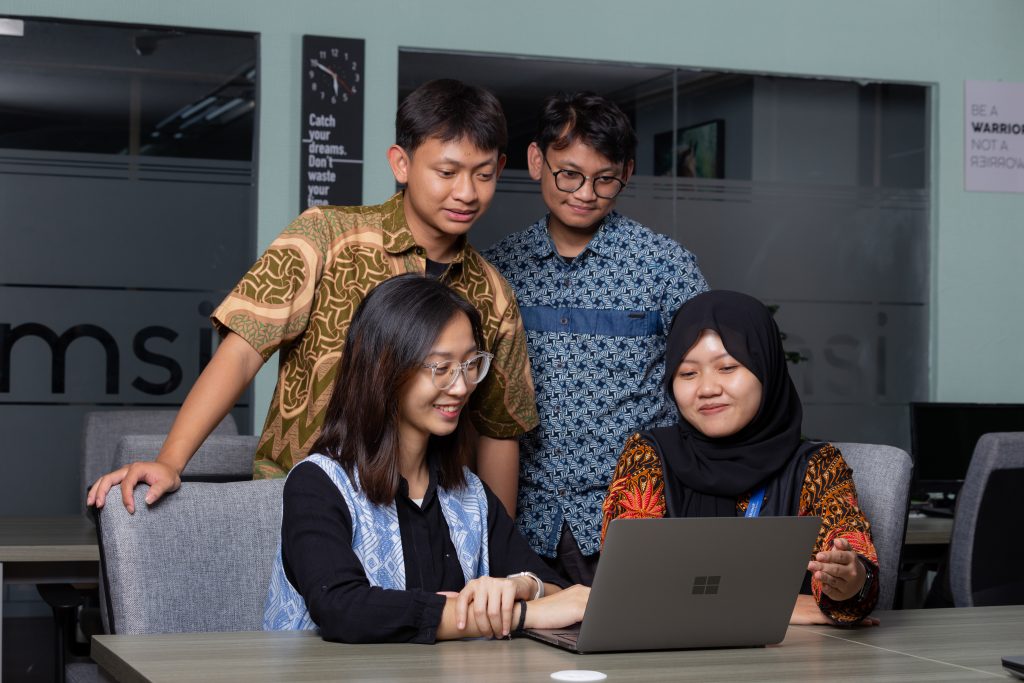
Ready to Transform Your FMCG Food Business?
Discover how MikroOne and Microsoft Dynamics 365 Business Central can help optimize FMCG food production, improve inventory turnover, strengthen distribution, and provide real-time visibility across your business.
Frequently Asked Questions
What is FMCG Food ERP?
FMCG Food ERP is an integrated business management solution that connects production, inventory, procurement, sales, distribution, finance, and business reporting for food businesses.
Why do FMCG food companies need ERP?
ERP helps FMCG food businesses manage high production volumes, multiple SKUs, inventory turnover, demand planning, distribution, and financial performance.
Can FMCG Food ERP manage demand planning?
Yes. ERP can help businesses plan production and inventory based on demand, sales patterns, and material availability.
Can FMCG Food ERP manage multiple SKUs?
Yes. The system can manage products, recipes, ingredients, packaging materials, inventory, and transactions across multiple SKUs.
Can FMCG Food ERP manage batch traceability?
Yes. Businesses can track raw materials, production batches, and finished products throughout the supply chain.
Can FMCG Food ERP manage product expiration?
Yes. Inventory and shelf life management can help monitor expiration dates and improve stock rotation.
Can FMCG Food ERP manage distribution?
Yes. ERP can connect sales orders, inventory, warehouses, shipments, and distribution processes.
Can FMCG Food ERP support multiple warehouses?
Yes. Microsoft Dynamics 365 Business Central can manage inventory across multiple warehouses and locations.
Can FMCG Food ERP integrate with Power BI?
Yes. Power BI can provide dashboards and analytics for sales, inventory, production, costs, and profitability.
Can FMCG ERP help reduce inventory costs?
Yes. Better demand planning, inventory visibility, purchasing, and stock management can help reduce excess inventory and associated costs.
Is FMCG ERP suitable for growing manufacturers?
Yes. Business Central provides a scalable ERP platform that can support growing product portfolios, facilities, warehouses, and transaction volumes.
Why choose Microsoft Dynamics 365 Business Central?
Business Central connects finance, production, inventory, purchasing, sales, and supply chain processes within one scalable ERP platform.
Why choose MikroOne?
MikroOne delivers Microsoft-based ERP solutions designed to help businesses improve operational efficiency, financial control, and business visibility.
In Indonesia, FMCG Food ERP solutions are commonly referred to using the following terms:
- ERP FMCG Food
- ERP Industri FMCG Makanan
- Software ERP FMCG
- Sistem ERP Industri Makanan
- ERP Produksi Makanan FMCG
- Software Manajemen FMCG
- ERP Manufaktur Makanan
- Software ERP Industri Makanan dan Minuman
Setiap perusahaan FMCG makanan memiliki kebutuhan operasional yang berbeda. MikroOne menyediakan solusi ERP yang membantu mengintegrasikan perencanaan permintaan, produksi, bahan baku, inventory, batch traceability, pengadaan, distribusi, keuangan, dan analisis bisnis dalam satu platform terintegrasi.